

The way people look for medical information has evolved considerably over the past ten years, especially among young people. In 2024, more than 77% of people under 25 said they use TikTok, Instagram, or YouTube to find health-related content — including symptoms, treatments, or prevention.1 These platforms, which may initially have been intended for social engagement and entertainment, have now become major sources of medical information. Now, often competes with legitimate healthcare professionals.
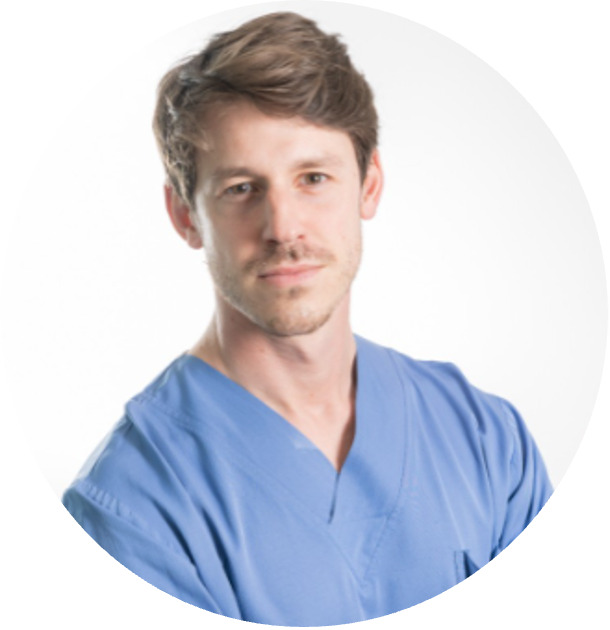
As a surgeon, I started posting on Instagram in early 2024. In one year, I shared over 100 posts, mostly short educational videos to inform and catch people’s attention. I had two goals: to make medicine easier to understand for the general public, and to share advice and experiences with young doctors and medical students. Most of the feedback I received was positive and motivated me to keep going.
This trend is part of a global movement where some doctors have become real media personalities. For example, Doctor Mike (14 million followers on YouTube) and Dr. Karan Rajan (5.3 million followers on TikTok) mix medical knowledge, short videos, and storytelling.2 They educate, entertain, and correct myths and misinformation. Their success comes from being consistent, authentic, and understanding how social media works. Today, medical influence can come from a 30-second video as much as from a scientific article that may have taken years to produce.
But social media and health content also come with risks. Some posts are trustworthy, but many are not. Non-professionals sometimes give nutrition tips, diagnoses, or treatment advice without any formal medical training. A study from JAMA Network Open in 2025 showed that 87% of popular health videos on TikTok or Instagram mentioned the benefits of medical tests. Still, less than 30% talked about the risks or limits.3 This one-sided view can lead to over-medicalization and give a false sense of control. As a result, the public in turn may ask for unnecessary tests or even ignore their own doctor’s advice. There have even been reports of accidents caused by people following non-professional health advice, especially in dermatology and mental health. This raises the question: can users really tell the difference between a genuine expert or someone just pretending?
Should we as medical professionals engage in social media and/or support the presence of qualified “med-influencers” online? I would say yes. We, as healthcare professionals, need to be active online — leveraging our scientific knowledge and communication skills to provide qualified and balanced medical information and combat the spread of misinformation on social media.
As for patients and followers, they also need to think critically. They should demand transparency on the qualifications of med-influencers. They should hopefully also recognize that following a doctor on social media is not the same as receiving formal medical care. But, social media and healthcare are now formally linked, and their value in helping the public better understand their health should not be underestimated nor discounted.
“A visible professional is not always trustworthy. But a trustworthy professional has everything to gain by being visible.”