Loading [Contrib]/a11y/accessibility-menu.js
1.
Patel K, Uvarov EV, Gu AS, Nehmeh A, Khak M. Total Elbow Arthroplasty for Distal Humerus Fractures Outcomes and Complications: A Systematic Review and Meta-Analysis. SurgiColl. 2025;3(4). doi:10.58616/​001c.143588
Download all (5)
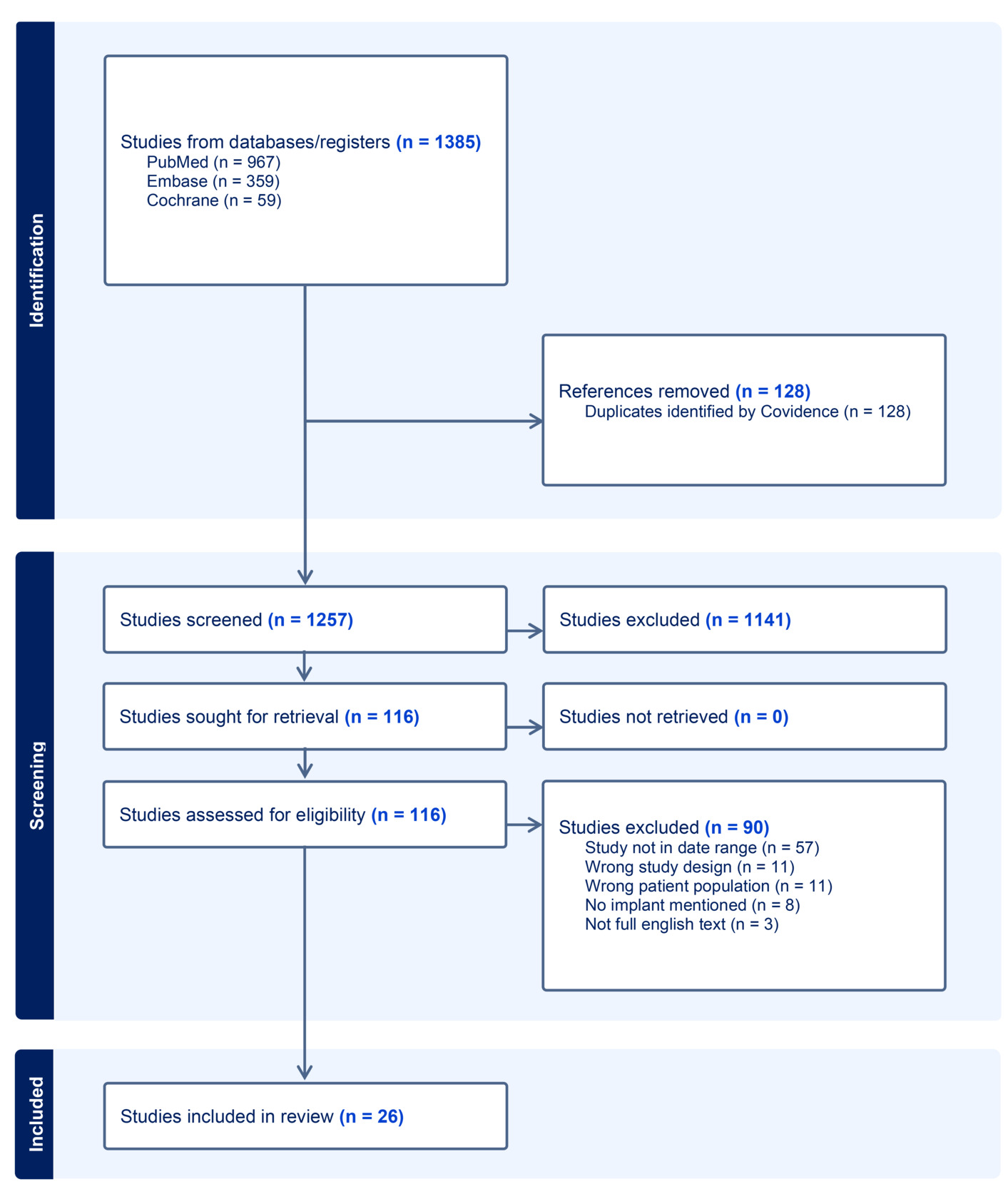
  • Figure 1. PRISMA Flow Diagram Illustrating the Study Selection Process.
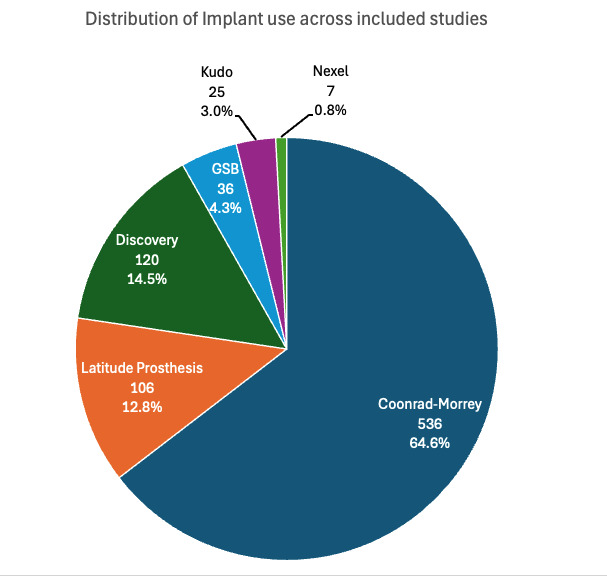
  • Figure 2. The distribution of implants used in Total Elbow Arthroplasties across the included studies. Percentages are a proportion of the 830 patients who had reported implant types.
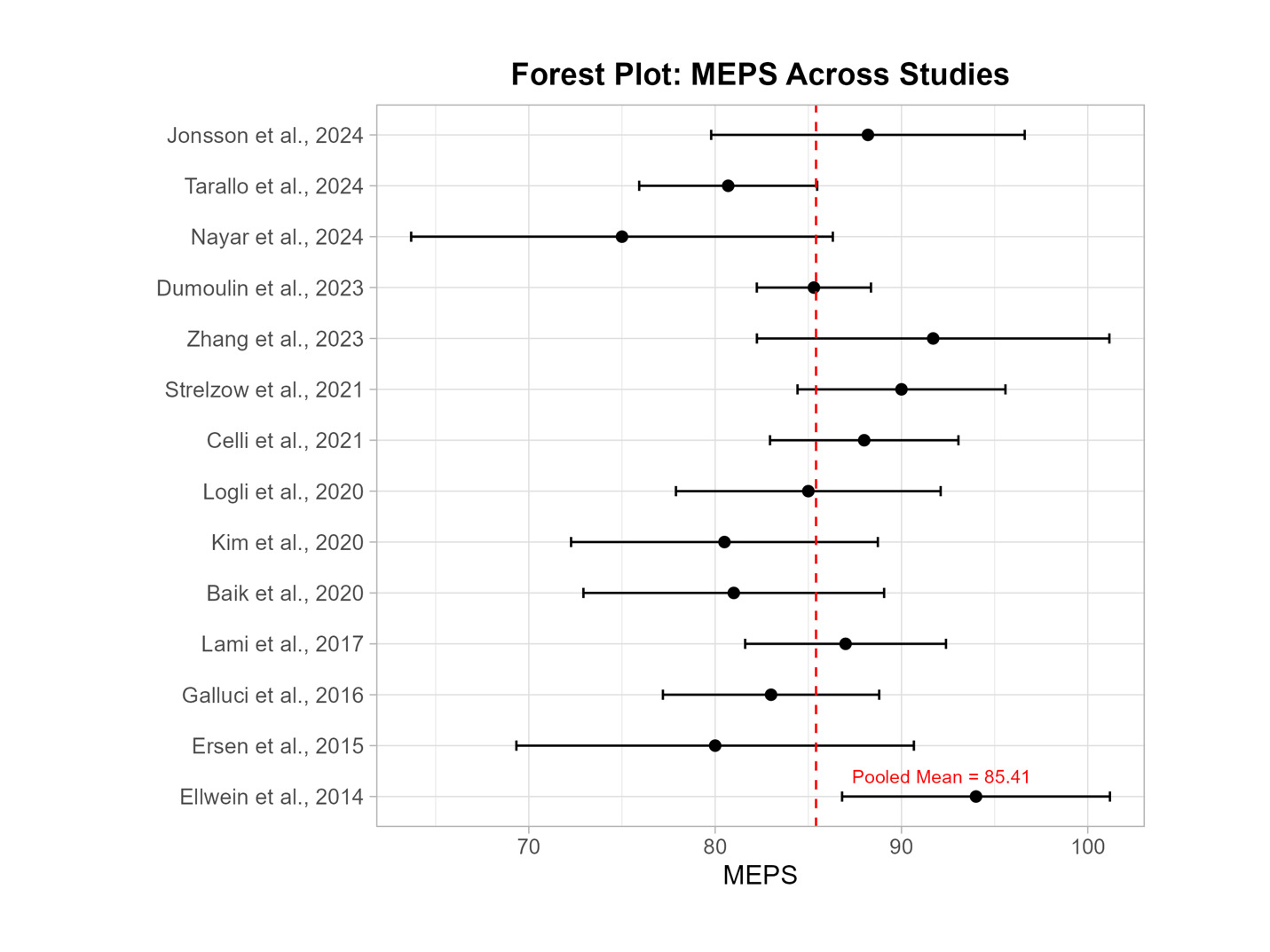
  • Figure 3. Forest plot showing individual MEPS scores with 95% confidence intervals across simulated studies, alongside the pooled mean MEPS (85) marked by a dashed red line
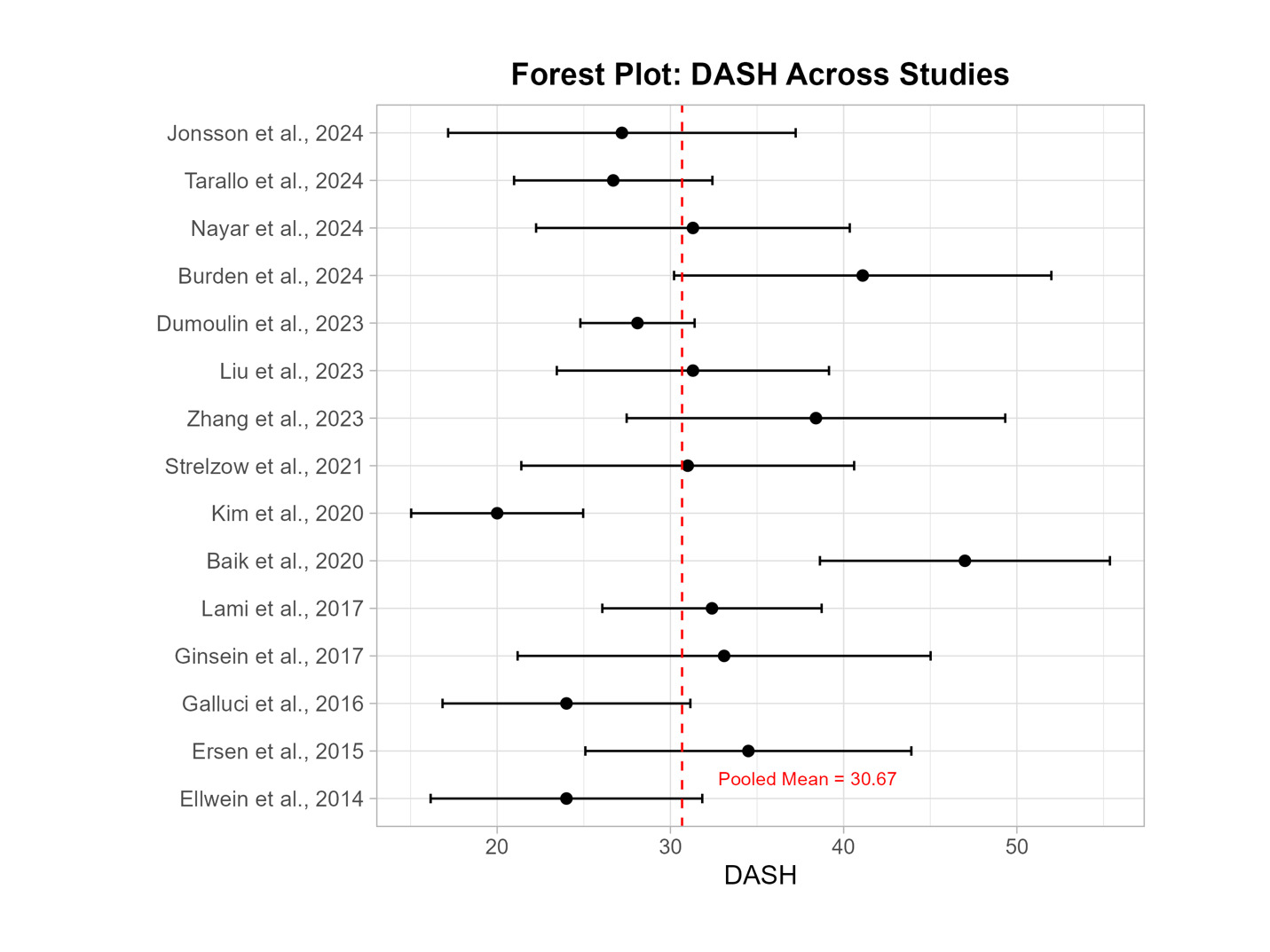
  • Figure 4. Forest plot showing individual DASH scores with 95% confidence intervals across simulated studies, alongside the pooled mean DASH (31) marked by a dashed red line
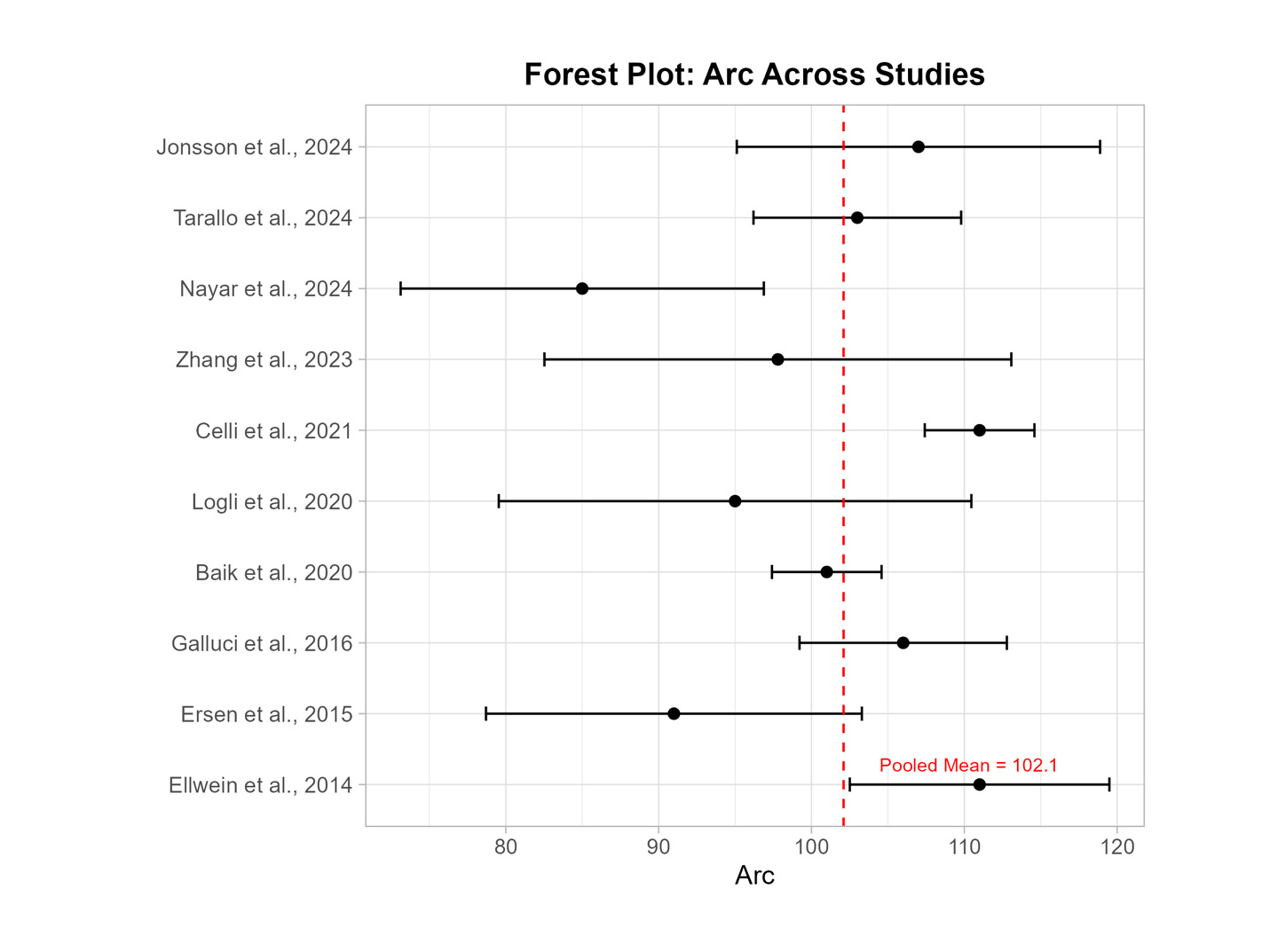
  • Figure 5. Forest plot showing individual Flexion-Extension Arc scores with 95% confidence intervals across simulated studies, alongside the pooled mean Flexion-Extension Arc (102°) marked by a dashed red line.

Abstract

Objectives

Total elbow arthroplasty (TEA) is often utilized for complex distal humerus fractures, particularly in elderly adults. This systematic review and meta-analysis aimed to evaluate the functional outcomes, complication rates, and implant usage trends associated with primary TEA in the modern era.

Methods

A systematic literature search was conducted in accordance with Preferred Reporting Items for Systematic Reviews and Meta-Analyses (PRISMA) guidelines across PubMed, Embase, and Cochrane Library through April 30, 2025. Studies were included if they reported outcomes of primary TEA for acute distal humerus fractures in adult patients aged 18 years and older, with a minimum of five patients per study and at least three months of follow-up. Complications and functional outcomes, including Mayo Elbow Performance Score (MEPS), Disabilities of the Arm, Shoulder and Hand Score (DASH), and range of motion, were pooled by performing random-effects meta-proportion meta-analysis. Study-level heterogeneity and risk of bias were assessed, and publication bias was evaluated, with sensitivity analyses performed to evaluate the robustness of findings.

Results

Twenty-six studies comprising 904 patients were included. The mean patient age was 73.8 years (range: 64 to 81.3 years), and 88% were female. The most commonly used implant was the Coonrad-Morrey prosthesis (65%). Pooled functional outcomes demonstrated a mean MEPS of 85 and a flexion-extension arc exceeding 100°, while the mean DASH score was 31. The overall complication rate was 23%, with the most frequent complications being heterotopic ossification (28%), infection (17%), and neuropathy (13%). The reoperation or revision rate was 8.2%.

Conclusion

TEA offers favorable functional outcomes for acute distal humerus fractures in elderly patients but remains associated with high complication and reoperation rates. Surgeons can advise patients of a nearly one-quarter complication rate and a nearly one-tenth reoperation rate. Heterotopic ossification, infection, and neuropathy are the most frequently reported complications, emphasizing the need for prevention, refined surgical techniques, and improved implant characteristics.

INTRODUCTIN

Distal humerus fractures (DHF) are increasingly common in the elderly population, largely due to the growing incidence of osteoporosis and increasing life expectancies. These fractures are often comminuted and intra-articular, presenting potentially complex treatment challenges, particularly in the setting of osteoporosis. By 2030, DHFs are expected to account for approximately 6% of all fractures in the elderly population.1 Given the constrained anatomy of the distal humerus and the functional demands of the elbow joint, nonoperative management is often insufficient. Historically, open reduction and internal fixation (ORIF) has long been considered the standard surgical treatment; however, in elderly patients with poor bone quality, this technique can be associated with fixation failure, prolonged immobilization, extensive rehabilitation, contractures, and suboptimal outcomes. Alternatively, total elbow arthroplasty (TEA) has emerged as an increasingly favored alternative for managing DHFs in the elderly population.2–4 Conservative approaches, such as the “bag of bones” technique, are often associated with suboptimal functional recovery and are now reserved mainly for nonoperative candidates.5

Previous studies, including early retrospective comparisons, have suggested that TEA may offer superior functional outcomes and lower complication rates compared to ORIF in elderly patients with complex DHFs.6 However, the landscape of TEA has evolved with newer implant designs, refined surgical techniques, and patient selection criteria that may affect outcomes. Despite this, there remains a relative lack of pooled data specifically evaluating modern TEA outcomes in acute trauma populations, highlighting the need for an updated synthesis of the evidence. The objective of this systematic review and meta-analysis is to evaluate the functional outcomes, complication rates, and implant usage trends of total elbow arthroplasty for acute distal humerus fractures using the most recent literature. By synthesizing data about functional scores and complication rates from contemporary studies, this review aims to inform clinical decision-making and clarify the role of TEA in the modern management of complex distal humeral fractures.

METHODS

Search Strategy

This systematic review was conducted using Preferred Reporting Items for Systematic Reviews and Meta-Analyses (PRISMA) guidelines. The protocol was registered with International Prospective Register of Systematic Reviews (PROSPERO) (CRD420251035898). A comprehensive literature search was performed across PubMed, Embase, and Cochrane Library databases through April 30, 2025. The search strategy incorporated both Medical Subject Headings (MeSH) and free-text keywords related to TEA, distal humerus fractures, and treatment outcomes. The full search string is provided in Supplementary Material 1. All identified records (n=1385) were imported into Covidence for screening and de-duplication. The reference lists of included studies were also manually reviewed to identify any additional eligible studies.

Eligibility Criteria

Studies were eligible for inclusion if they reported outcomes of primary TEA performed for acute distal humerus fractures, were published in English, and included original clinical data. This study also required each paper to have at least a three-month follow-up, as most complications occur by 30 days post-operatively. Additional inclusion criteria were a minimum of five adult patients (age >18 years) per study and clear documentation of the type of implant used. The publication date had to fall between November 2014 and November 2024 to capture outcomes of contemporary surgical techniques and implants. Patients with underlying arthritic or pathological conditions, such as Paget disease, inflammatory arthritis, or tumor-related pathology, were excluded to maintain a trauma-only population. Studies were excluded if they were case reports, review articles, or focused on revision procedures, non-traumatic conditions, or hemiarthroplasty [Figure 1].

Figure 1
Figure 1.PRISMA Flow Diagram Illustrating the Study Selection Process.

Screening Procedure

Two independent reviewers (KP, EU) screened all titles, abstracts, and full texts against the inclusion and exclusion criteria. Discrepancies were resolved by a third reviewer (AG). All reviewers were trained in systematic review methodology and were not blinded to study authorship or publication source. The methodological quality of included studies was assessed using the Newcastle-Ottawa Scale (NOS) for non-randomized studies and Cochrane RoB 2 tool for randomized clinical trials. This scale evaluates three domains: selection of participants, comparability of cohorts, and outcome assessment. Risk of bias assessments were performed independently by two reviewers, with disagreements resolved by consensus or by a third reviewer.

Data Extraction

Two reviewers independently extracted data using a standardized extraction form. The following variables were collected: study-level characteristics (including author, publication year, country, study design, sample size, and duration of follow-up), patient demographics (mean age and sex distribution), and surgical details (implant type and operative notes, when available). Functional outcome measures included the Mayo Elbow Performance Score (MEPS), Disabilities of the Arm, Shoulder, and Hand (DASH) score, and postoperative range of motion (ROM). Complication data were extracted across all studies and included infection, aseptic loosening, periprosthetic fracture, heterotopic ossification, mechanical failure, triceps insufficiency, and neuropathy. Further data were also extracted on the number and causes of reoperations or revisions in each study, which were defined as any surgical procedure that occurred after the original TEA involving the same elbow joint. If studies reported outcomes as medians or without standard deviations, appropriate statistical methods were applied to estimate mean values when feasible.

Statistical Analysis

A descriptive meta-analytic framework was used to summarize functional outcomes and complication rates. This study conducted a quantitative pooling of functional outcomes (DASH, MEPS, ROM) and complication rates using formal meta-analytic methods. A random-effects model was chosen a priori due to anticipated clinical and methodological heterogeneity among studies, including differences in study populations, surgical techniques, and follow-up durations. Pooled estimates were computed using a meta-proportion meta-analysis model to account for between-study variability. For continuous outcomes, pooled means with corresponding 95% confidence intervals were estimated using the `metamean()` function. For binary outcomes, pooled proportions were estimated using logit-transformed single-arm models via `metaprop()`. Study-level heterogeneity was quantified using the I² statistic. Sensitivity analyses were conducted by identifying and excluding studies whose confidence intervals fell outside the pooled estimate’s 95% limits, followed by recalculation of pooled effects. Results were recomputed after outlier exclusion to assess the robustness of conclusions. Publication bias was assessed using visual inspection of funnel plots, and Egger’s regression test was applied for outcomes with sufficient numbers of studies. Forest plots were also created to better visualize data. All meta-analyses were conducted in R (version 4.4.2) by a statistician affiliated with the Rothman Orthopaedic Institute.

RESULTS

After completion of the screening process, a total of 26 studies were included in the final analysis. Among these, 24 were cohort studies and two were randomized controlled trials. Collectively, the studies comprised 904 patients who underwent TEA for acute distal humerus fractures. Of these, implant type was reported for 830 patients (92%).

Risk of bias assessment using the NOS indicated that most cohort studies were at low overall risk of bias, with transparent reporting of patient selection and outcomes. Similarly, the two randomized controlled trials, assessed with the Cochrane RoB 2 tool, were at low overall risk of bias. The risk of bias assessment data is provided in Supplementary Material 2.

The mean age of the patient population was 74 years, and there was a marked predominance of female patients, who represented 88% of the total cohort. The most frequently utilized implant was the Coonrad-Morrey system (Zimmer-Biomet, Warsaw, IN), reported in 536 cases (65%). Other commonly used implants included the Discovery (Lima Corporate, Anduins, Italy) in 120 cases (15%), the Latitude (Wright Medical Group, Memphis, TN) in 106 cases (13%), the Gschwend-Scheier-Bähler (Sulzer Medical, Wintherthur, Switzerland) in 36 cases (4.3%), the Kudo (Stryker Howmedica Osteonics, Limerick, Ireland) in 25 cases (3.0%), and the Nexel (Zimmer-Biomet, Warsaw, IN) in 7 cases (0.8%) [Figure 2]. The mean follow-up duration across all included studies was 58 months, with a range from 3 to 156 months. Detailed study-level information is provided in Table 1.

A pie chart with numbers and text Description automatically generated
Figure 2.The distribution of implants used in Total Elbow Arthroplasties across the included studies. Percentages are a proportion of the 830 patients who had reported implant types.
Table 1.Summary of Characteristics of Studies Included in the Systematic Review of Total Elbow Arthroplasty for Distal Humerus Fractures
Author (Year) Study Design Sample Size Mean Age (years) % Female Follow-up (months) Implant Type(s)
Coonrad-Morrey Latitude Prosthesis Discovery GSB Kudo Nexel
Ellwein et al. (2014)7 Cohort 9 70 88.9 20.4 0 9 0 0 0 0
Ersen et al. (2015)8 Cohort 7 65.6 100 74.4 7 0 0 0 0 0
Pogliacomi et al. (2016)9 Cohort 20 74.1 95 60 12 8 0 0 0 0
Toulemonde et al. (2016)10 Cohort 28 Not reported Not reported 42 28 0 0 0 0 0
Prasad et al. (2016)11 Cohort 19 68 63.2 156 19 0 0 0 0 0
Gallucci et al. (2016)12 Cohort 23 79 91.3 39.6 23 0 0 0 0 0
Lami et al. (2017)13 Cohort 21 81.3 95.2 38.4 21 0 0 0 0 0
Ginesin et al. (2017)14 Cohort 18 70 100 26.4 0 0 18 0 0 0
Barco et al. (2017)15 Cohort 44 70.7 75 Not reported, but a minimum of 10 years 44 0 0 0 0 0
Robinson et al. (2018)16 Cohort 26 75 88.5 Reported Median 26 (not differentiated) 0 0 0 0
Nestorson et al. (2019)17 Cohort 317 Not reported 89.3 Cut-off at 120 months 144 33 79 36 25 0
Schiavi et al. (2020)18 Cohort 12 74.7 100 91.2 12 (not differentiated) 0 0 0 0
Logli et al. (2020)19 Cohort 22 74 84.6 51.6 8 3 4 0 0 7
Kim et al. (2020)20 Cohort 9 72.7 55.6 28.8 9 0 0 0 0 0
Baik et al. (2020)21 Cohort 43 79 79.1 33.6 43 0 0 0 0 0
Strelzow et al. (2021)22 Cohort 40 79 87.5 60 0 40 0 0 0 0
Celli et al. (2021)23 Cohort 13 64 84.6 144 13 0 0 0 0 0
Gambhir et al. (2022)24 Cohort 19 75.6 82.6 Cut-off at 3 months 19 (not differentiated) 0 0 0 0
Dumoulin et al. (2023)25 Cohort 57 80.2 94.7 56.4 57 0 0 0 0 0
Liu et al. (2023)26 Cohort 22 71.6 90.9 Reported Median 2 1 19 0 0 0
Zhang et al. (2023)27 Cohort 13 69.3 69.2 91.2 13 0 0 0 0 0
Jonsson et al. (2024)5 RCT 17 76.9 88.2 26.4 0 17 (not differentiated) 0 0 0
Tarallo et al. (2024)28 Cohort 41 78.8 90.2 84 41 0 0 0 0 0
Palladino et al. (2024)29 Cohort 45 Not reported 93.3 0 45 0 0 0 0 0
Nayar et al. (2024)30 Cohort 12 74 100 42 0 12 0 0 0 0
Burden et al. (2024)31 RCT 7 74 85.7 Cut-off at 12 months 7 0 0 0 0 0

Functional outcome reporting varied across studies. Nineteen studies reported the MEPS, although only 14 of these included standard deviation data. The overall mean MEPS across studies was 86, while the pooled mean effect size was 85 [Figure 3]. Heterogeneity was assessed using the I² statistic; however, complete values for all outcomes were not uniformly available. After the exclusion of outlier studies identified through funnel plot analysis, the pooled mean MEPS slightly decreased to 85. DASH scores were reported in 16 studies, with 15 providing standard deviations. The overall mean DASH score was 32, and the pooled mean was 31 [Figure 4]. Following the removal of outlier studies, the pooled DASH score was reduced to 30.0. ROM outcomes were also commonly reported. The pooled mean values for postoperative elbow flexion and extension were 127° and 10.1°, respectively. After excluding outlier studies, the mean flexion was 125° and the mean extension was 13°. The flexion-extension arc had a pooled mean of 102° [Figure 5], which was adjusted to 101° after outlier exclusion. Study-level outcome data are summarized in Table 2. Outliers were identified based on visual inspection of funnel plots, and their exclusion resulted in minimal changes to pooled estimates, suggesting robustness of the findings. Publication bias was assessed for primary outcomes using funnel plots and Egger’s regression. No significant bias was detected.

A graph with black and red lines Description automatically generated
Figure 3.Forest plot showing individual MEPS scores with 95% confidence intervals across simulated studies, alongside the pooled mean MEPS (85) marked by a dashed red line
A graph with black and red lines Description automatically generated
Figure 4.Forest plot showing individual DASH scores with 95% confidence intervals across simulated studies, alongside the pooled mean DASH (31) marked by a dashed red line
A graph with lines and numbers Description automatically generated
Figure 5.Forest plot showing individual Flexion-Extension Arc scores with 95% confidence intervals across simulated studies, alongside the pooled mean Flexion-Extension Arc (102°) marked by a dashed red line.
Table 2.Functional Outcomes and Postoperative Range of Motion Following Total Elbow Arthroplasty for Distal Humerus Fractures (*Values are reported as mean/median + range/SD).
Author (Year) MEPS * DASH* (mean ± SD) Mean Flexion (°) Mean Extension (°) Mean Arc of Motion (°)
Ellwein et al. (2014)7 94±11 24±12 123 ±14 13 ±14 111 ±13
Ersen et al. (2015)8 80±14.4 34.5±12.7 Not Reported Not Reported 91 ±16.6
Pogliacomi et al. (2016)9 88.7 (range: 30-100) Not Reported Not Reported Not Reported Not Reported
Toulemonde et al. (2016)10 81.6 45 Not Reported Not Reported 101
Prasad et al. (2016)11 Median: 90, (range: 50-95) Not Reported Median: 118, (range: 110-140) Median: 34, (range: 0-90) Not Reported
Gallucci et al. (2016)12 83±14.2 24±17.5 123 ±11.6 17 ±13.9 106 ±16.6
Lami et al. (2017)13 87±12.6 32.4±14.8 125 (range: 95-130) 22 (range: 5-75) Not Reported
Ginesin et al. (2017)14 Not Reported 33.1±25.8 130 ±5.9 -9.4 ±11.6 Not Reported
Barco et al. (2017)15 Not Reported Not Reported Not Reported Not Reported Not Reported
Robinson et al. (2018)16 (range: 15- 100) Not Reported Not Reported Not Reported 93 (range: 74-110)
Nestorson et al. (2019)17 Not Reported Not Reported Not Reported Not Reported Not Reported
Schiavi et al. (2020)18 75.1 (range: 38-89) Not Reported Not Reported Not Reported Not Reported
Logli et al. (2020)19 85±17 Not Reported 123 ±22 Not Reported 95 ±37
Kim et al. (2020)20 80.5±12.6 20±7.6 127.7 ± 18 13.8 ±14.7 Not Reported
Baik et al. (2020)21 81±27 47±28 124 ±15 15 ±3 101 ±12
Strelzow et al. (2021)22 90±18 31±31 127 ±14 16 ±13 Not Reported
Celli et al. (2021)23 88±9.3 Not Reported 126 ±7.2 15 ±6.3 111 ±6.6
Gambhir et al. (2022)24 Not Reported Not Reported Not Reported Not Reported Not Reported
Dumoulin et al. (2023)25 85.3±11.8 28.1±12.7 122.3 ±8.7 -23.5 ±15.1 Not Reported
Liu et al. (2023)26 Not Reported 31.3±18.8 129.4 ±11.5 16.9 ±19.6 Not Reported
Zhang et al. (2023)27 91.7±17.4 38.4±20.1 Not Reported Not Reported 97.8 ±28.1
Jonsson et al. (2024)5 88.2±17.7 27.2±21.1 136 ±11 29 ±18 107 ±25
Tarallo et al. (2024)28 80.7±15.6 26.7±18.7 Not Reported Not Reported 103 ±22.2
Palladino et al. (2024)29 95 (range: 85-100) Not Reported 120 (range: 115-135) -30 (range: -40 - -20) Not Reported
Nayar et al. (2024)30 75±20 31.3±16 Not Reported Not Reported 85 ±21
Burden et al. (2024)31 Not Reported 41.1±14.7 Not Reported Not Reported Not Reported

A total of 210 complications were reported across all included studies, yielding a pooled complication rate of 23%. [Table 3] The most frequent complication was heterotopic ossification in 58 cases (28%). This was followed by infection in 35 cases (17%), both neuropathy and periprosthetic fractures in 28 cases each (13%), and aseptic loosening in 26 cases (12%). Additional reported complications included mechanical failure (17 cases, 8.1%), limited postoperative range of motion (15 cases, 7.1%), and triceps insufficiency (3 cases, 1.4%). Where reported, revision procedures included irrigation and debridement for infection, component revision for mechanical failure or aseptic loosening, and heterotopic ossification excision. These details were inconsistently reported across studies, which is noted as a limitation.

Table 3.Frequency and Distribution of Reported Complications Following Total Elbow Arthroplasty for Distal Humerus Fractures
Complication Total Events Studies Reporting % of Complications
Heterotopic Ossification 58 14 28%
Infection 35 16 17%
Neuropathy 28 14 13%
Periprosthetic Fracture 28 14 13%
Aseptic Loosening 26 16 12%
Mechanical Failure 17 9 8.1%
Joint Contracture 15 7 7.1%
Triceps Insufficiency 3 8 1.4%

Revision or reoperation occurred in 74 cases, resulting in a rate of 8.2% out of all patients. [Table 4] Out of all complications, 35% led to reoperation or revision. The most common cause of revision/reoperation was infection, which accounted for 17 cases (23%). Other causes of reoperation or revision included mechanical failure (14, 19%), periprosthetic fracture (14, 19%), heterotopic ossification (11, 15%), aseptic loosening (11, 15%), neuropathy (4, 5.4%), limited postoperative range of motion (2, 2.7%) and triceps insufficiency (1, 1.4%).

Table 4.Frequency and Distribution of Reported Causes for Reoperation Following Total Elbow Arthroplasty for Distal Humerus Fractures
Cause of Reoperation Total Events % of Cause for Reoperations
Infection 17 23.0%
Mechanical Failure 14 18.9%
Periprosthetic Fracture 14 18.9%
Heterotopic Ossification 11 14.9%
Aseptic Loosening 11 14.9%
Neuropathy 4 5.4%
Joint Contracture 2 2.7%
Triceps Insufficiency 1 1.4%

DISCUSSION

In this systematic review and meta-analysis, the study focused on evaluating the current state of TEAs in the modern era, performed for acute distal humerus fractures, based on data from 904 patients across 26 studies published between 2014 and 2024. Analysis of this study’s results found that TEA remains a viable treatment option for complex distal humerus fractures in older adults, with favorable functional outcomes with a pooled mean MEPS of 85 and a flexion-extension arc exceeding 100°. However, this study’s overall reoperation/revision rate was 8.2%. Furthermore, the overall complication rate was over 23%, with heterotopic ossification, infection, and neuropathy being the most commonly reported adverse events. These results suggest that while TEA is functionally reliable in this patient population, it carries a considerable risk profile that warrants careful patient selection and surgical planning.

The demographic profile of patients undergoing TEA for acute distal humerus fractures in this review reflects established trends in the literature. Across the 904 patients included, the mean age was 74 years, consistent with prior reviews such as that by Kholinne et al.,6 who found that 72% of the patients in their studies were in the 70s. This stands to reason as bone mineral density decreases with age and is strongly correlated with fracture.32,33 This explains the higher likelihood of fracture after falls and acute injuries in elderly patients relative to their younger counterparts. This study also found that the majority of patients were female. Cawthon showed that osteoporosis, one of the biggest risk factors for distal humerus fractures, is much more prevalent in women- likely owing to the much lower bone mineral density in women relative to men.33 This results in a higher fracture risk.33 Another study reports that a 60-year-old woman has a 44% chance of fracture compared to a man of the same age who has a risk of 25%.34 These studies correlate with this one, explaining that the large majority of TEA patients are female.

This study also found that the vast majority of TEAs used the Coonrad-Morrey implant. Contemporary TEA implants are broadly categorized into linked and unlinked designs. Both systems comprise humeral and ulnar components but differ in terms of constraint and biomechanics. Linked implants incorporate a hinge mechanism that directly connects the components, offering inherent stability. In contrast, unlinked implants rely on soft tissue and bony integrity for stability, which may be insufficient in highly comminuted fractures. While unlinked designs may allow more physiological joint motion, they are generally reserved for less complex cases.35 The Coonrad-Morrey prosthesis has somewhat monopolized the TEA implant industry and has been the most popular option for surgeons internationally for years.36 Since its development and production in 1973, the prosthesis has been updated and modified a few times to improve its functional outcomes and reduce complication rates.37 Another systematic review conducted by Parker et al. also found their three most commonly used implants to be Coonrad-Morrey first, followed by the Latitude and Discovery prostheses, suggesting that these results are not uncommon.38

TEA seems to report high functional outcomes in both MEPS and DASH scores, 85 and 31, respectively, in this study. For MEPs, a rating of 75-89 can be described as good39 whilst for DASH, a score of 16-40 can be interpreted as an elbow that has a problem but is functionally working.40 These values indicate that although a TEA after a distal humerus fracture may not completely bring an elbow back to perfection and pre-injury state, the post-operative outcomes are favorable enough to result in a functional elbow for daily life. The ROM values, however, are subject to more debate. There does not seem to be a clear set of guidelines defining the normal range of motion of the elbow, likely due to the different range of motions required for various tasks. Some authors argue that up to 150° of full flexion is needed for “personal care, eating and drinking tasks”41 while another study argued that only the 75°-120° range of motion of the elbow was required for daily living.42 This discrepancy in guidelines does not allow this study to make a conclusive argument as to whether TEA works well in improving the functional outcome of the elbow after distal humerus fractures through all ranges of motion necessary for daily living.

The revision/ reoperation rate of TEAs in this study was 8.2%. This value is higher than reoperation rates for Total Knee Arthroplasties and Total Hip Arthroplasties, which a 2018 study found to be 1.2% and 2.05%, respectively.43 A possible explanation for this could be the volume with which each of these surgeries are performed. Prkic et al.44 compared the surgical volume of total elbow, knee, and hip arthroplasties in 2019 according to a Dutch database. The study found that in 2019, only 81 TEAs were performed compared to 25,859 total knee arthroplasties and 33,248 total hip arthroplasties.44 The significantly increased volume of knee and hip arthroplasties likely results in surgeons being more experienced in these surgeries, thus resulting in better outcomes and decreased reoperation rates. Unfortunately, whilst few studies in this review consistently reported and differentiated between the different types of reoperations. This study thus refrained from adding it in this current review, but it may be a point to make in future studies. Another point to note is that the results may have been affected by the smaller sample sizes and the number of TEA surgeries. This may have reduced the statistical power of the results, creating the difference seen in reoperation rates.

Other studies have noted high complication rates, including heterotopic ossification, infection, neuropathy, aseptic loosening, and periprosthetic fracture. Parker et al. found high rates of similar complications, although Parker reported their most common complication being aseptic loosening.38 This could be explained by their indications for TEA, which included arthritis, not just trauma. Degenerative diseases such as arthritis could lead to greater loosening, which could explain the disparity in results.

Whilst TEAs tend to have higher rates of complications compared to other joint replacement procedures, the rate of heterotopic ossification in this study seems to be similar or lower to that of different joints, such as hip replacement, for which one study reported a heterotopic ossification rate of around 25%.45 Toyoda et al.46 found a heterotopic ossification rate of 39% after primary total knee arthroplasties. Heterotopic ossification – formation of bone in soft tissue47- seems not to be related to the complexity of fractures, as other complications are. A possible explanation for this may be that greater weight-bearing joints, such as the knee and hip, are more likely to develop heterotopic ossification.

Over one in ten patients in this study suffered postoperative infections- a much higher rate than that of other arthroplasties, where studies suggest rates of 2.5% for hip arthroplasties48 and 4.4% for knee arthroplasties.49 Other significant complications included neuropathy, aseptic loosening, and periprosthetic fractures, all of which occurred in roughly one out of ten patients. Despite being lower than some of the other complications, these are still high rates that need to be reduced.

This current systematic review has several limitations. First, different studies reported different outcomes in different ways, making it difficult to compare the different studies and pool their results together directly. As part of this, the study acknowledges that functional outcomes may have been measured at different follow-up intervals. Whilst this may introduce bias in the results when pooled, outlier exclusion was completed to minimize this bias. Second, the lack of studies where only a single implant was used made it hard to compare the functional outcomes and complication rates between implants. Third, most studies selected were studies in which data were collected retrospectively, thus weakening the quality of data used in this systematic review. Also, findings in this study are limited to functional outcomes and reoperation rates, but not implant longevity or survival. Finally, like any systematic review, the quality of the study is limited by the quality and detail of the source studies.

CONCLUSION

This systematic review outlines the functional outcomes and complication rates of TEA. Despite its limitations, this study has highlighted that primary TEA for acute distal humerus fractures provides excellent functional scores and restores elbows to functional states after trauma. However, there is still a high rate of complications and reoperations, especially when compared to other arthroplasty surgeries.


Declaration of conflict of interest

The authors do NOT have any potential conflicts of interest for this manuscript.

Declaration of funding

The authors received NO financial support for the preparation, research, authorship, and publication of this manuscript.

Declaration of ethical approval for study

This study is a systematic review and meta-analysis of previously published data and does not involve any new studies with human participants or animals conducted by the authors. As such, ethical approval and informed consent were not required.

There is no identifiable patient information (names, initials, hospital identification numbers, images, or other personal data) included in this manuscript. Therefore, informed consent was not required.

Accepted: August 24, 2025 EDT

References

1.
Rajaee SS, Lin CA, Moon CN. Primary total elbow arthroplasty for distal humeral fractures in elderly patients: a nationwide analysis. J Shoulder Elbow Surg. 2016;25(11):1854-1860. doi:10.1016/​j.jse.2016.05.030
Google Scholar
2.
Wong AS, Baratz ME. Elbow fractures: distal humerus. J Hand Surg. 2009;34(1):176-190. doi:10.1016/​j.jhsa.2008.10.023
Google Scholar
3.
Dehghan N, Furey M, Schemitsch L, et al. Long-term outcomes of total elbow arthroplasty for distal humeral fracture: results from a prior randomized clinical trial. J Shoulder Elbow Surg. 2019;28(11):2198-2204. doi:10.1016/​j.jse.2019.06.004
Google Scholar
4.
Aitken SA, Jenkins PJ, Rymaszewski L. Revisiting the “bag of bones”: functional outcome after the conservative management of a fracture of the distal humerus. Bone Jt J. 2015;97-B(8):1132-1138. doi:10.1302/​0301-620X.97B8.35410
Google Scholar
5.
Jonsson EÖ, Ekholm C, Hallgren HB, Nestorson J, Etzner M, Adolfsson L. Elbow hemiarthroplasty and total elbow arthroplasty provided a similar functional outcome for unreconstructable distal humeral fractures in patients aged 60 years or older: a multicenter randomized controlled trial. J Shoulder Elbow Surg. 2024;33(2):343-355. doi:10.1016/​j.jse.2023.08.026
Google Scholar
6.
Kholinne E, Altamimi LA, Aldayel A, et al. Primary Linked Total Elbow Arthroplasty for Acute Distal Humerus Fracture Management: A Systematic Review of Clinical Outcome. Clin Orthop Surg. 2020;12(4):503-513. doi:10.4055/​cios20012
Google Scholar
7.
Ellwein A, Lill H, Voigt C, Wirtz P, Jensen G, Katthagen JC. Arthroplasty compared to internal fixation by locking plate osteosynthesis in comminuted fractures of the distal humerus. Int Orthop. 2015;39(4):747-754. doi:10.1007/​s00264-014-2635-0
Google Scholar
8.
Erşen A, Demirhan M, Atalar AC, Atıcı T, Kapıcıoğlu M. Is Coonrad-Morrey total elbow arthroplasty a viable option for treatment of distal humeral nonunions in the elderly? Acta Orthop Traumatol Turc. 2015;49(4):354-360. doi:10.3944/​AOTT.2015.14.0309
Google Scholar
9.
Pogliacomi F, Schiavi P, Defilippo M, et al. Total elbow arthroplasty following complex fractures of the distal humerus: results in patients over 65 years of age. Acta Bio-Medica Atenei Parm. 2016;87(2):148-155.
Google Scholar
10.
Toulemonde J, Ancelin D, Azoulay V, Bonnevialle N, Rongières M, Mansat P. Complications and revisions after semi-constrained total elbow arthroplasty: a mono-centre analysis of one hundred cases. Int Orthop. 2016;40(1):73-80. doi:10.1007/​s00264-015-3008-z
Google Scholar
11.
Prasad N, Ali A, Stanley D. Total elbow arthroplasty for non-rheumatoid patients with a fracture of the distal humerus: a minimum ten-year follow-up. Bone Jt J. 2016;98-B(3):381-386. doi:10.1302/​0301-620X.98B3.35508
Google Scholar
12.
Gallucci GL, Larrondo Calderón W, Boretto JG, Castellaro Lantermo JA, Terán J, de Carli P. Total elbow arthroplasty for the treatment of distal humeral fractures. Rev Espanola Cirugia Ortop Traumatol. 2016;60(3):167-174. doi:10.1016/​j.recot.2015.12.004
Google Scholar
13.
Lami D, Chivot M, Caubere A, Galland A, Argenson JN. First-line management of distal humerus fracture by total elbow arthroplasty in geriatric traumatology: Results in a 21-patient series at a minimum 2years’ follow-up. Orthop Traumatol Surg Res OTSR. 2017;103(6):891-897. doi:10.1016/​j.otsr.2017.06.009
Google Scholar
14.
Ginesin E, Keren Y, Zachs O, Norman D. [TOTAL ELBOW REPLACEMENT AS AN ALTERNATIVE TO SEVERELY COMMINUTED FRACTURES AROUND THE ELBOW]. Harefuah. 2017;156(9):564-567. doi:10.4236/​ojo.2017.711034
Google Scholar
15.
Barco R, Streubel PN, Morrey BF, Sanchez-Sotelo J. Total Elbow Arthroplasty for Distal Humeral Fractures: A Ten-Year-Minimum Follow-up Study. J Bone Joint Surg Am. 2017;99(18):1524-1531. doi:10.2106/​JBJS.16.01222
Google Scholar
16.
Robinson PM, MacInnes SJ, Stanley D, Ali AA. Heterotopic ossification following total elbow arthroplasty: a comparison of the incidence following elective and trauma surgery. Bone Jt J. 2018;100-B(6):767-771. doi:10.1302/​0301-620X.100B6.BJJ-2017-0535.R2
Google Scholar
17.
Nestorson J, Rahme H, Adolfsson L. Arthroplasty as primary treatment for distal humeral fractures produces reliable results with regards to revisions and adverse events: a registry-based study. J Shoulder Elbow Surg. 2019;28(4):e104-e110. doi:10.1016/​j.jse.2018.07.035
Google Scholar
18.
Schiavi P, Pogliacomi F, Garzia A, Valenti P, Ceccarelii F, Calderazzi F. Survival and outcome of total elbow arthroplasty for distal humeral fracture at long term follow-up. Acta Bio-Medica Atenei Parm. 2020;91(14-S):e2020031. doi:10.23750/​abm.v91i14-S.11112
Google Scholar
19.
Logli AL, Shannon SF, Boe CC, Morrey ME, O’Driscoll SW, Sanchez-Sotelo J. Total Elbow Arthroplasty for Distal Humerus Fractures Provided Similar Outcomes When Performed as a Primary Procedure or After Failed Internal Fixation. J Orthop Trauma. 2020;34(2):95-101. doi:10.1097/​BOT.0000000000001631
Google Scholar
20.
Kim DH, Kim BS, Baek CS, Cho CH. Primary Total Elbow Replacement for Treatment of Complex Distal Humerus Fracture: Outcomes of Short-term Follow-up. Clin Shoulder Elb. 2020;23(1):20-26. doi:10.5397/​cise.2020.00045
Google Scholar
21.
Baik JS, Lee SH, Kang HT, Song TH, Kim JW. Comparison of open reduction and internal fixation with total elbow arthroplasty for intra-articular distal humeral fractures in older age: a retrospective study. Clin Shoulder Elb. 2020;23(2):94-99. doi:10.5397/​cise.2020.00052
Google Scholar
22.
Strelzow JA, Frank T, Athwal GS, Faber KJ, King GJW. Results of Linked Convertible Total Elbow Arthroplasty for the Management of Distal Humeral Fractures in the Elderly. J Hand Surg. 2021;46(5):396-402. doi:10.1016/​j.jhsa.2020.10.034
Google Scholar
23.
Celli A, Paroni C, Bonucci P, Celli L. Total elbow arthroplasty for acute distal humeral fractures with humeral condyle resection or retention: a long-term follow-up study. JSES Int. 2021;5(4):797-803. doi:10.1016/​j.jseint.2021.03.006
Google Scholar
24.
Gambhir N, Alben MG, Shankar D, Larose G, Kwon YW, Virk MS. Comparison of 90-day complication rates and readmissions of primary total elbow arthroplasty in elective and traumatic cases: a single center experience. Eur J Orthop Surg Traumatol Orthop Traumatol. 2023;33(6):2303-2308. doi:10.1007/​s00590-022-03425-6
Google Scholar
25.
Dumoulin A, Chivot M, Dobelle E, Argenson JN, Lami D. Mid-term results of total elbow arthroplasties in the treatment of geriatric distal humerus fractures. Orthop Traumatol Surg Res OTSR. 2025;111(2):103887. doi:10.1016/​j.otsr.2024.103887
Google Scholar
26.
Liu C, Zhang D, Blazar P, Earp BE. Outcomes After Acute Versus Delayed Total Elbow Arthroplasty for the Treatment of Distal Humerus Fractures. J Hand Surg Glob Online. 2023;5(5):612-619. doi:10.1016/​j.jhsg.2023.05.006
Google Scholar
27.
Zhang Q, Xiang M, Yang JS, Dai F. Clinical and Radiographic Outcomes of Total Elbow Arthroplasty Using a Semi-constrained Prosthesis with a Triceps-preserving Approach over a Minimum Follow-up Period of 4 Years. Orthop Surg. 2023;15(8):2091-2101. doi:10.1111/​os.13698
Google Scholar
28.
Tarallo L, Montemagno M, Delvecchio M, et al. AO/OTA B and C articular fractures of the distal humerus: What are the boundaries between Total Elbow Arthroplasty and ORIF? Injury. 2024;55 Suppl 4:111479. doi:10.1016/​j.injury.2024.111479
Google Scholar
29.
Palladino S, Baldairon F, Godet J, Clavert P. Outcomes of total elbow arthroplasty in the treatment of distal humeral fractures in the elderly: a retrospective cohort comparison between primary arthroplasty and arthroplasty secondary to failed internal fixation. J Shoulder Elbow Surg. 2024;33(8):1659-1664. doi:10.1016/​j.jse.2024.03.032
Google Scholar
30.
Nayar SK, Mohamed F, Bashir K, Abukar A, Prinja A, Rashid A. Total elbow arthroplasty and hemiarthroplasty in the treatment of distal humerus fractures in the elderly: Experience from a tertiary referral centre. Injury. 2024;55(10):111754. doi:10.1016/​j.injury.2024.111754
Google Scholar
31.
Burden EG, Batten TJ, Thomas W, Evans JP, Smith C. Hemiarthroplasty or total elbow arthroplasty for unreconstructible distal humeral fractures in the elderly (hot elbow): A feasibility study. Shoulder Elb. 2025;17(2):200-208. doi:10.1177/​17585732241244722
Google Scholar
32.
Kelsey JL, Samelson EJ. Variation in Risk Factors for Fractures at Different Sites. Curr Osteoporos Rep. 2009;7(4):127-133. doi:10.1007/​s11914-009-0022-3
Google Scholar
33.
Cawthon PM. Gender differences in osteoporosis and fractures. Clin Orthop. 2011;469(7):1900-1905. doi:10.1007/​s11999-011-1780-7
Google Scholar
34.
Nguyen ND, Ahlborg HG, Center JR, Eisman JA, Nguyen TV. Residual lifetime risk of fractures in women and men. J Bone Miner Res Off J Am Soc Bone Miner Res. 2007;22(6):781-788. doi:10.1359/​jbmr.070315
Google Scholar
35.
Plaschke HC, Thillemann TM, Brorson S, Olsen BS. Implant survival after total elbow arthroplasty: a retrospective study of 324 procedures performed from 1980 to 2008. J Shoulder Elbow Surg. 2014;23(6):829-836. doi:10.1016/​j.jse.2014.02.001
Google Scholar
36.
Schneeberger AG, Meyer DC, Yian EH. Coonrad-Morrey total elbow replacement for primary and revision surgery: a 2- to 7.5-year follow-up study. J Shoulder Elbow Surg. 2007;16(3 Suppl):S47-54. doi:10.1016/​j.jse.2006.01.013
Google Scholar
37.
Maheshwari R, Vaziri S, Helm RH. Total elbow replacement with the Coonrad-Morrey prosthesis: our medium to long-term results. Ann R Coll Surg Engl. 2012;94(3):189-192. doi:10.1308/​003588412X13171221589775
Google Scholar
38.
Parker P, Furness ND, Evans JP, Batten T, White WJ, Smith CD. A systematic review of the complications of contemporary total elbow arthroplasty. Shoulder Elb. 2021;13(5):544-551. doi:10.1177/​1758573220905629
Google Scholar
39.
Cusick MC, Bonnaig NS, Azar FM, Mauck BM, Smith RA, Throckmorton TW. Accuracy and reliability of the Mayo Elbow Performance Score. J Hand Surg. 2014;39(6):1146-1150. doi:10.1016/​j.jhsa.2014.01.041
Google Scholar
40.
Angst F, Schwyzer HK, Aeschlimann A, Simmen BR, Goldhahn J. Measures of adult shoulder function: Disabilities of the Arm, Shoulder, and Hand Questionnaire (DASH) and its short version (QuickDASH), Shoulder Pain and Disability Index (SPADI), American Shoulder and Elbow Surgeons (ASES) Society standardized shoulder assessment form, Constant (Murley) Score (CS), Simple Shoulder Test (SST), Oxford Shoulder Score (OSS), Shoulder Disability Questionnaire (SDQ), and Western Ontario Shoulder Instability Index (WOSI). Arthritis Care Res. 2011;63 Suppl 11:S174-188. doi:10.1002/​acr.20630
Google Scholar
41.
Oosterwijk AM, Nieuwenhuis MK, van der Schans CP, Mouton LJ. Shoulder and elbow range of motion for the performance of activities of daily living: A systematic review. Physiother Theory Pract. 2018;34(7):505-528. doi:10.1080/​09593985.2017.1422206
Google Scholar
42.
Vasen AP, Lacey SH, Keith MW, Shaffer JW. Functional range of motion of the elbow. J Hand Surg. 1995;20(2):288-292. doi:10.1016/​S0363-5023(05)80028-0
Google Scholar
43.
George J, Chughtai M, Khlopas A, et al. Readmission, Reoperation, and Complications: Total Hip vs Total Knee Arthroplasty. J Arthroplasty. 2018;33(3):655-660. doi:10.1016/​j.arth.2017.09.048
Google Scholar
44.
Prkić A, Vermeulen NP, Kooistra BW, The B, van den Bekerom MPJ, Eygendaal D. Is there a relationship between surgical volume and outcome for total elbow arthroplasty? A systematic review. EFORT Open Rev. 2023;8(1):45-51. doi:10.1530/​EOR-22-0087
Google Scholar
45.
Cohn RM, Schwarzkopf R, Jaffe F. Heterotopic ossification after total hip arthroplasty. Am J Orthop Belle Mead NJ. 2011;40(11):E232-235.
Google Scholar
46.
Toyoda T, Matsumoto H, Tsuji T, Kinouchi J, Fujikawa K. Heterotopic ossification after total knee arthroplasty. J Arthroplasty. 2003;18(6):760-764. doi:10.1016/​s0883-5403(03)00194-3
Google Scholar
47.
Sun E, Hanyu-Deutmeyer AA. Heterotopic Ossification. In: StatPearls. StatPearls Publishing; 2025. Accessed August 21, 2025. http:/​/​www.ncbi.nlm.nih.gov/​books/​NBK519029/​
Google Scholar
48.
Lindeque B, Hartman Z, Noshchenko A, Cruse M. Infection after primary total hip arthroplasty. Orthopedics. 2014;37(4):257-265. doi:10.3928/​01477447-20140401-08
Google Scholar
49.
Blom AW, Brown J, Taylor AH, Pattison G, Whitehouse S, Bannister GC. Infection after total knee arthroplasty. J Bone Joint Surg Br. 2004;86(5):688-691. doi:10.1302/​0301-620x.86b5.14887
Google Scholar

Supplementary Materials

Supplementary Material 1. Search string used to perform literature search across PubMed, Embase and Cochrane Library databases

The full search string is provided here: (“Arthroplasty, Replacement, Elbow” [MESH] OR TEA OR elbow replacement OR Total elbow arthroplasty OR elbow arthroplasty OR elbow replacement OR total elbow replacement OR “Elbow Prosthesis” [MESH] OR elbow prosthesis OR elbow replacement arthroplasty OR elbow replacement arthroplasties) AND (“elbow fractures”[MESH] OR humeral fracture OR fracture of humerus OR humerus fracture OR distal humeral fracture OR distal humerus fracture OR “Humeral Fractures”[MESH] OR “Humeral Fractures, Distal”[MESH] NOT hemiarthroplasty NOT “Hemiarthroplasty” [MESH] OR Lateral Epicondyle Fracture of Humerus OR Intercondylar Humerus Fractures OR Supracondylar Distal Humerus Fractures OR Humeral Trochlear Fractures OR Humeral Capitellar Fractures OR Capitellum Humerus Fracture OR Hahn-Steinthal Fracture OR Lateral Condyle Fracture of Humerus OR Kocher-Lorenz Fracture) AND (“Treatment Outcome”[MeSH] OR “Postoperative Complications” [MeSH] OR Outcomes OR Functional Outcomes OR Patient-Reported Outcomes OR Complications OR Adverse Events OR Failures OR Revision Surgery OR “Recovery of Function” [Mesh] OR “Reoperation” [Mesh] or revision OR recurrence OR “Recurrence” [Mesh] OR recalcitrant OR “Range of Motion, Articular” [Mesh] OR “Periprosthetic Fractures” [Mesh] OR “Surgical Wound Infection” [Mesh] OR “Prosthesis Failure”[Mesh] OR pain reduction OR range of motion OR functional score OR implant survival OR periprosthetic fractures OR surgical site infection OR aseptic loosening OR hardware failure OR dislocation OR “muscle weakness”[MESH] OR “paresis”[MESH] or “venous thrombosis”[MESH] OR implant failure OR infection OR “radial neuropathy”[MESH] OR “chronic pain”[MESH] OR “joint instability”[MESH] OR “joint loose bodies”[MESH] OR “patient outcome assessment”[MESH] OR “second-look surgery”[MESH]).

Supplementary Material 2.Table containing risk of bias data from assessment using the Newcastle-Ottawa Scale and Cochrane RoB2 tool.
Author (Year) Study Design Risk of Bias Assessment
Ellwein et al. (2014)7 Cohort Low
Ersen et al. (2015)8 Cohort Low
Pogliacomi et al. (2016)9 Cohort Low
Toulemonde et al. (2016)10 Cohort Low
Prasad et al. (2016)11 Cohort Low
Gallucci et al. (2016)12 Cohort Low
Lami et al. (2017)13 Cohort Low
Ginesin et al. (2017)14 Cohort Medium
Barco et al. (2017)15 Cohort Low
Robinson et al. (2018)16 Cohort Low
Nestorson et al. (2019)17 Cohort Medium
Schiavi et al. (2020)18 Cohort Low
Logli et al. (2020)19 Cohort Medium
Kim et al. (2020)20 Cohort Low
Baik et al. (2020)21 Cohort Low
Strelzow et al. (2021)22 Cohort Low
Celli et al. (2021)23 Cohort Low
Gambhir et al. (2022)24 Cohort Medium
Dumoulin et al. (2023)25 Cohort Low
Liu et al. (2023)26 Cohort Low
Zhang et al. (2023)27 Cohort Low
Jonsson et al. (2024)5 RCT Low
Tarallo et al. (2024)28 Cohort Low
Palladino et al. (2024)29 Cohort Low
Nayar et al. (2024)30 Cohort Low
Burden et al. (2024)31 RCT Low